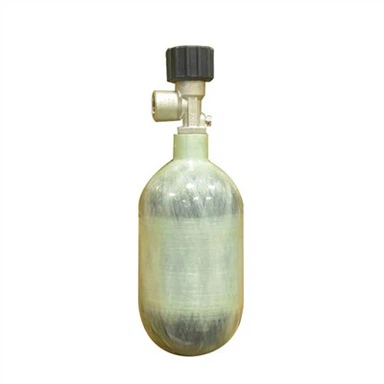
Medical Oxygen Gas Lub tog raj kheej
Medical oxygen cylinder is a device used to store and deliver medical oxygen. It is one of the commonly used equipment in the medical industry. Medical oxygen cylinders are pressure vessels, and their special feature is that they must ensure the safety of storing and transporting medical gases. When storing oxygen, please note that medical oxygen bottles should be placed in a ventilated, fire-free place, and should not be exposed to direct sunlight.
- Kev xa khoom sai
- Quality Assurance
- 24/7 Kev Pabcuam Cov Neeg Siv Khoom
Khoom Taw qhia
Medical oxygen cylinder is a device used to store and deliver medical oxygen. It is one of the commonly used equipment in the medical industry. Medical oxygen cylinders are pressure vessels, and their special feature is that they must ensure the safety of storing and transporting medical gases. When storing oxygen, please note that medical oxygen bottles should be placed in a ventilated, fire-free place, and should not be exposed to direct sunlight.
Although oxygen cylinders are another option for medical professionals who need oxygen for injured patients, a medical oxygen gas cylinder is much more cost-efficient. This machine requires a larger up-front cost but is less expensive than purchasing multiple cylinders over time.
Effective disaster relief is critical for victims of natural disasters like hurricanes, earthquakes, and wildfires. Medical oxygen gas cylinder can easily be transported to areas that have been affected by natural disasters, thus providing critical care to people suffering from life-threatening injuries, even when they're far from a hospital.


One-stop solution
After-sale service
Our terms of work have always been fixed within the work process and one can be assured about the guarantee of the work as we are there 24/7 business hours during the time your project is being worked is on.
Although medical oxygen cylinders are widely used clinically, they also have a certain shelf life, usually 2 to 3 years. When patients suffer from carbon dioxide poisoning, lung abscess, altitude sickness, etc., it will lead to difficulty breathing. At this time, you can use a medical oxygen bottle to inhale oxygen under the guidance of a doctor, which can relieve the discomfort caused by hypoxia and also increase the levels of arterial oxygen partial pressure and blood oxygen saturation.
The size of a large oxygen cylinder containing over 7,800 litres (O2 gas) is about 1.5 meters (60 inches) tall. Oxygen cylinders for home and medical facilities contain 20 to 50 litres of breathing gas. The sizes (L x B) vary like: 9"x4.38", 11"x4.38", 12"x4.38", 15"x4.38", 16.5"x4.38", and 25.5"x4.35".


There are two common specifications of valves for medical oxygen gas cylinders: medical low-pressure valves and medical high-pressure valves. Among them, medical low-pressure valves are often used to transport oxygen to some low-flow equipment or directly inhale to patients; while medical high-pressure valves are suitable for transporting oxygen to high-temperature pressure equipment or for use by multiple people.
Portable medical oxygen gas cylinder are the most common type of medical oxygen cylinders and are commonly used for home treatment, first aid, and transportation of patients. Its capacity is generally between 300 ml and 2 liters. It is lightweight, easy to carry and easy to use. However, due to its small capacity and limited oxygen content, it is suitable for short-term, low-dose oxygen therapy.
Liquefied medical oxygen gas cylinder is a model that liquefies oxygen and stores it in a cylinder. It is generally used in medical institutions and large-scale emergency rescue. It has a large capacity and can store more oxygen. The general capacity is more than 3 liters and its service life is longer. However, compared with ordinary cylinders, liquefied oxygen cylinders are more expensive and require certain maintenance and upkeep.
Cylinder medical oxygen gas cylinder is a classic type of medical oxygen cylinder, and it is also the oldest and most common type of oxygen cylinder. It is stored in cylinders with high-pressure oxygen and is commonly used in medical emergencies, transportation, small and medium-sized medical facilities and patient treatment. Cylinder medical oxygen gas cylinder have a larger capacity, generally more than 10 liters, are easy to use, and are relatively economical in price. However, compared with other types of oxygen cylinders, they are heavier and less convenient to carry.
Nursing homes and long-term care facilities utilize medical oxygen gas cylinders to provide oxygen therapy to elderly residents with chronic respiratory conditions or those recovering from acute illnesses.
High-altitude environments
Medical oxygen gas cylinders are sometimes used in sports medicine and high-altitude environments to provide supplemental oxygen to athletes or individuals experiencing altitude sickness or hypoxia.
Secure all compressed gas cylinders in racks, stands, or on flat floors to prevent them from tipping over and becoming damaged. Keep cylinders upright whenever possible. If you must store cylinders horizontally, ensure they can't roll into other cylinders or objects. Inspect your cylinders regularly for damage or leaks. Always store cylinders at least 20 feet away from open flames, combustible materials or heat sources. Always ensure valves are completely closed before storing. Never store cylinders in small spaces such as cupboards, closets, unventilated rooms, etc.
Before connecting the oxygen cylinder, inspect the cylinder for scratches or damage. If the bottle body is found to be obviously damaged, please replace the oxygen bottle in time. Use appropriate tubing and fittings to connect the oxygen cylinder, making sure the connection is tight and leak-free.
The working principle of medical oxygen cylinders is to compress and store high-purity oxygen so that it can be provided to patients or users when needed. When the switch of the oxygen supply is turned on, the high-pressure oxygen in the oxygen bottle will pass through the pressure reducing valve and then be fine-tuned through the flow adjustment switch to finally output the required flow rate. Afterwards, oxygen can be input into the body of the patient or user by connecting oxygen tubes, humidifiers, oxygen tubes and nasal plugs to help treat various conditions caused by hypoxia.

Cim npe nrov: